Commodore Magic Voice
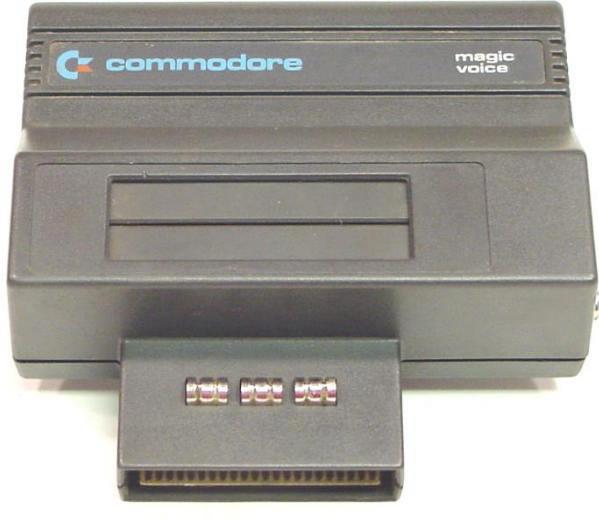
Image gallery
Find a Magic Voice for your collection
Explore current eBay listings for Commodore Magic Voice hardware and related material.
Search eBay for Magic VoiceA human voice for the Commodore 64
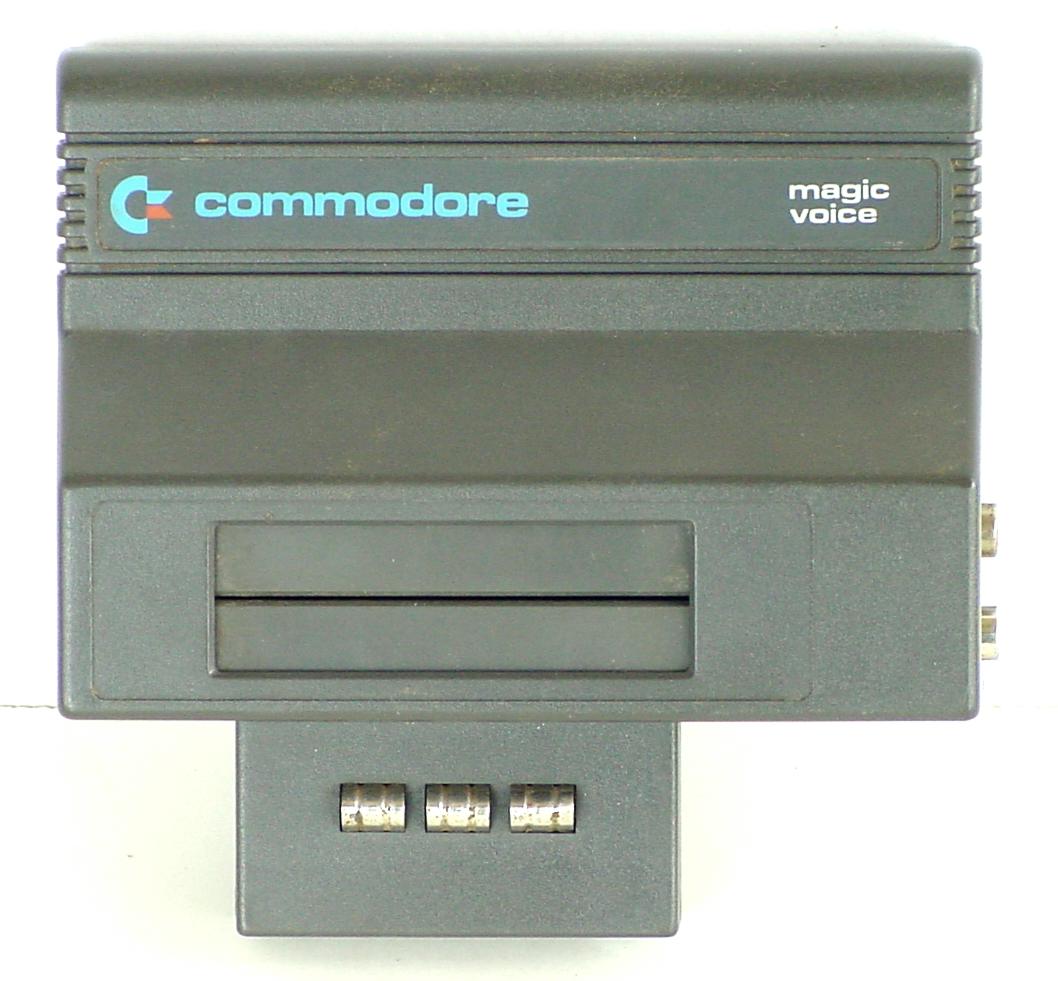
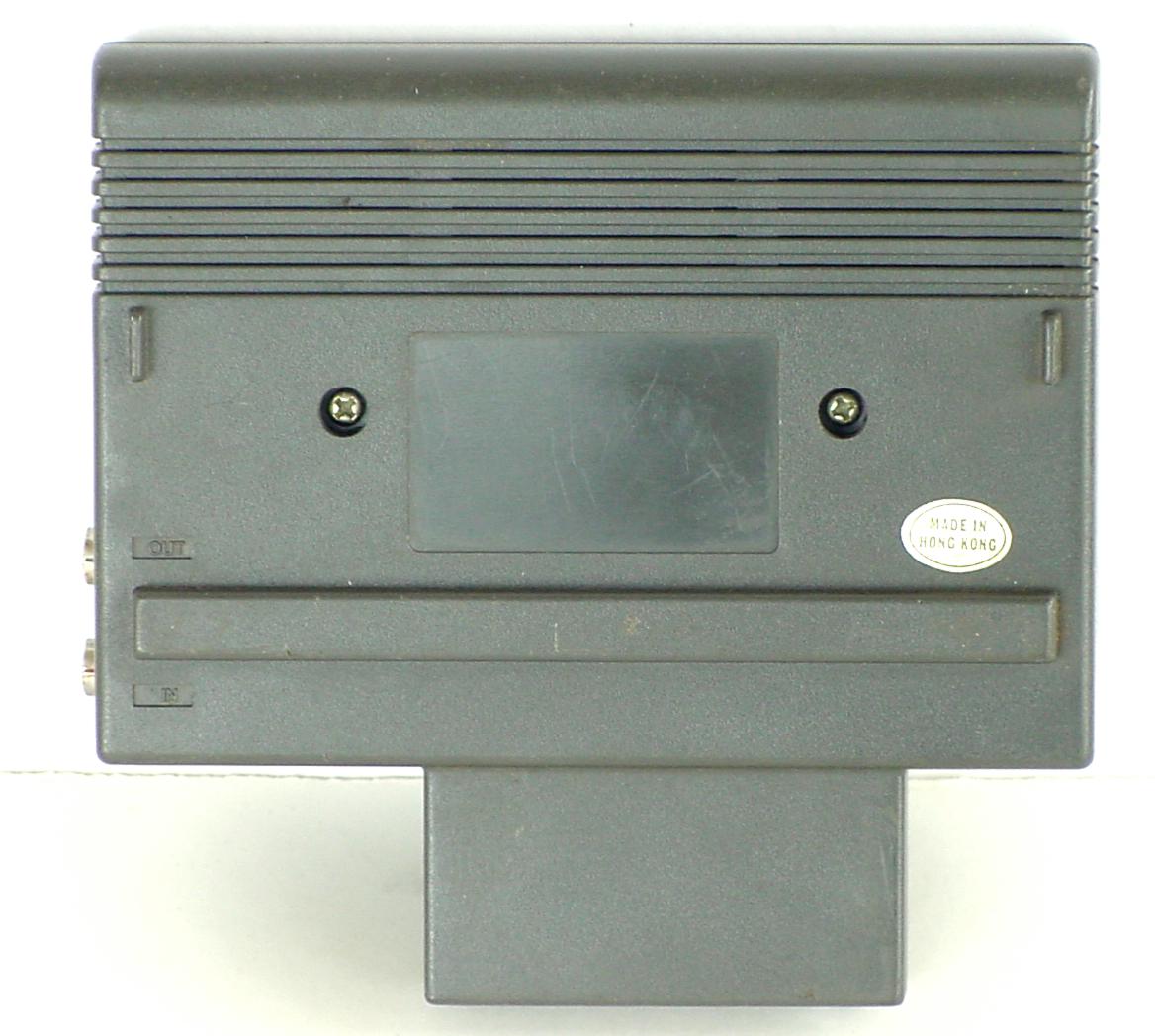
Commodore’s Magic Voice gave the Commodore 64 and SX-64 a voice of their own. Plugged into the expansion port, the module supplied a built-in female voice, a vocabulary of 235 utterances, and firmware that made speech available directly from BASIC. Its top-loading cartridge socket let compatible software plug in above the module, rather than occupying the computer’s only cartridge port.
At the Winter Consumer Electronics Show in 1984, COMPUTE! reported a planned price of $59.95 for the C64850 Magic Voice. Speech was being presented as an affordable addition to the home computer: useful for games, educational activities, and programs that could give instructions aloud.
Why it sounded different
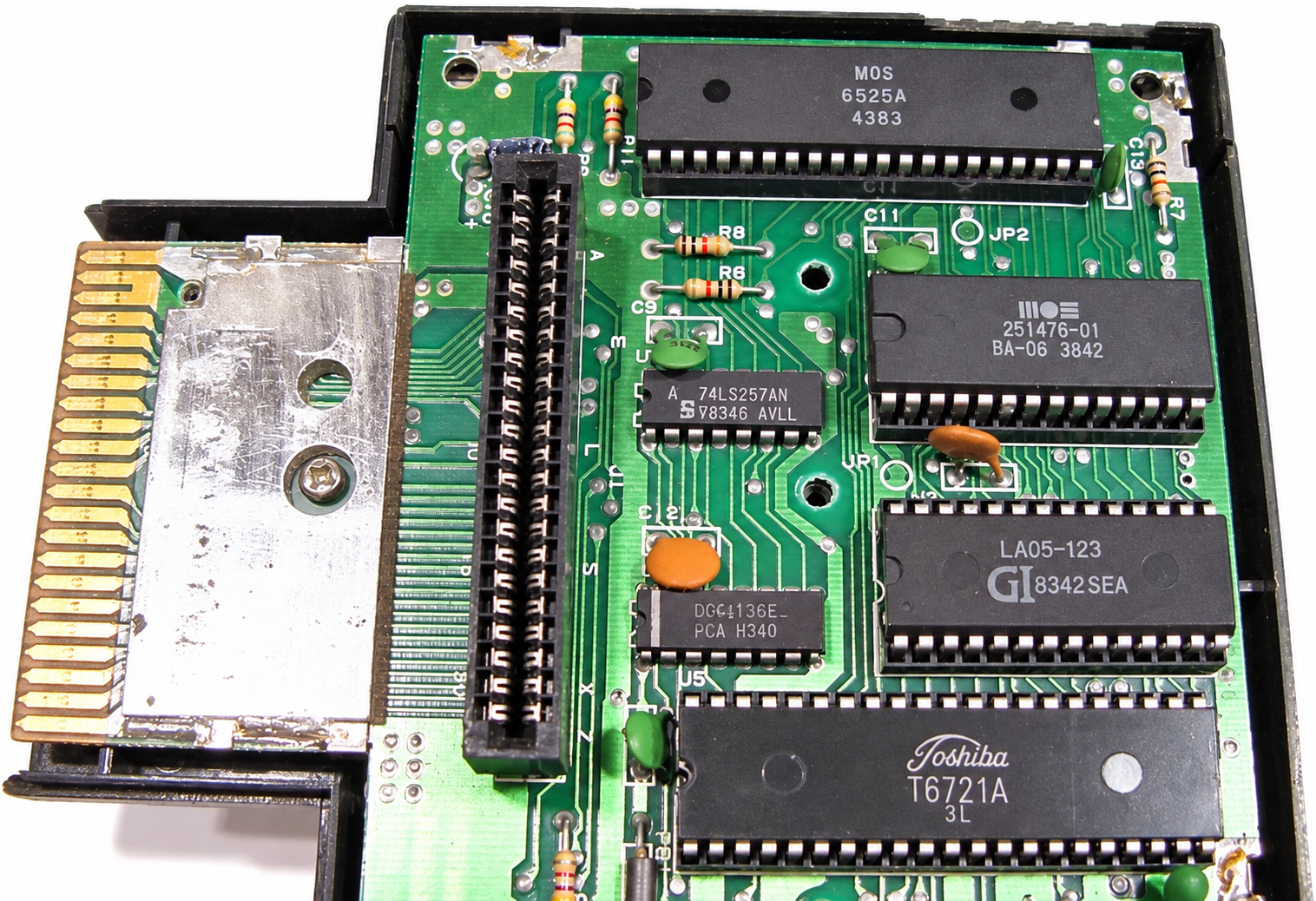
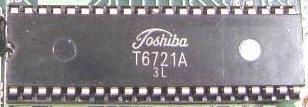
Inside the case is a Toshiba T6721A speech synthesizer. Rather than assembling arbitrary words from a programmer’s choice of phonemes, Magic Voice reconstructed specially encoded speech. COMPUTE!’s October 1984 review described a process in which a person’s recorded voice was analyzed and compressed, then reproduced by the hardware. The resulting female voice was notably natural for a home-computer accessory of its time.
Toshiba’s technical data identifies the chip as a PARCOR speech synthesizer with an 8 kHz output sampling rate. PARCOR represents speech using parameters for a model of the vocal tract, rather than storing the complete sound waveform. The chip provides ten speech-speed settings and status signals that help a host computer manage playback.
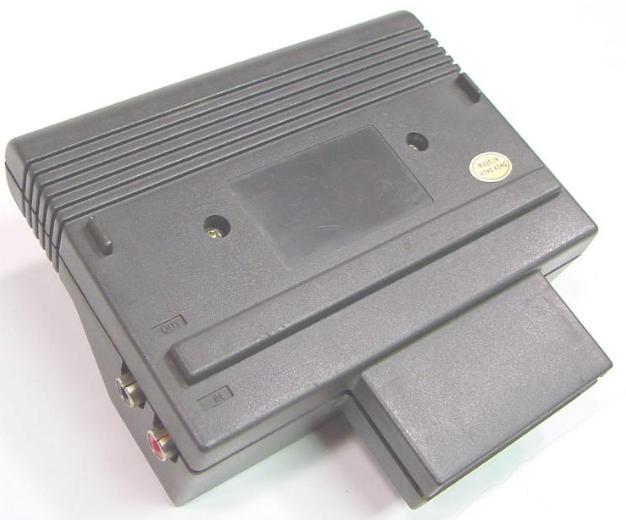
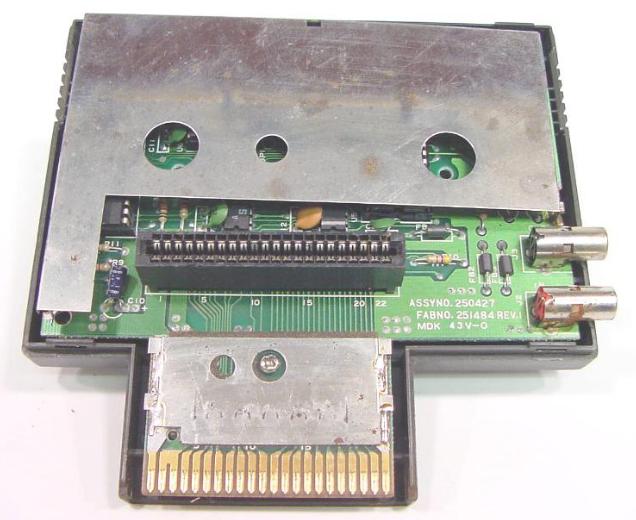
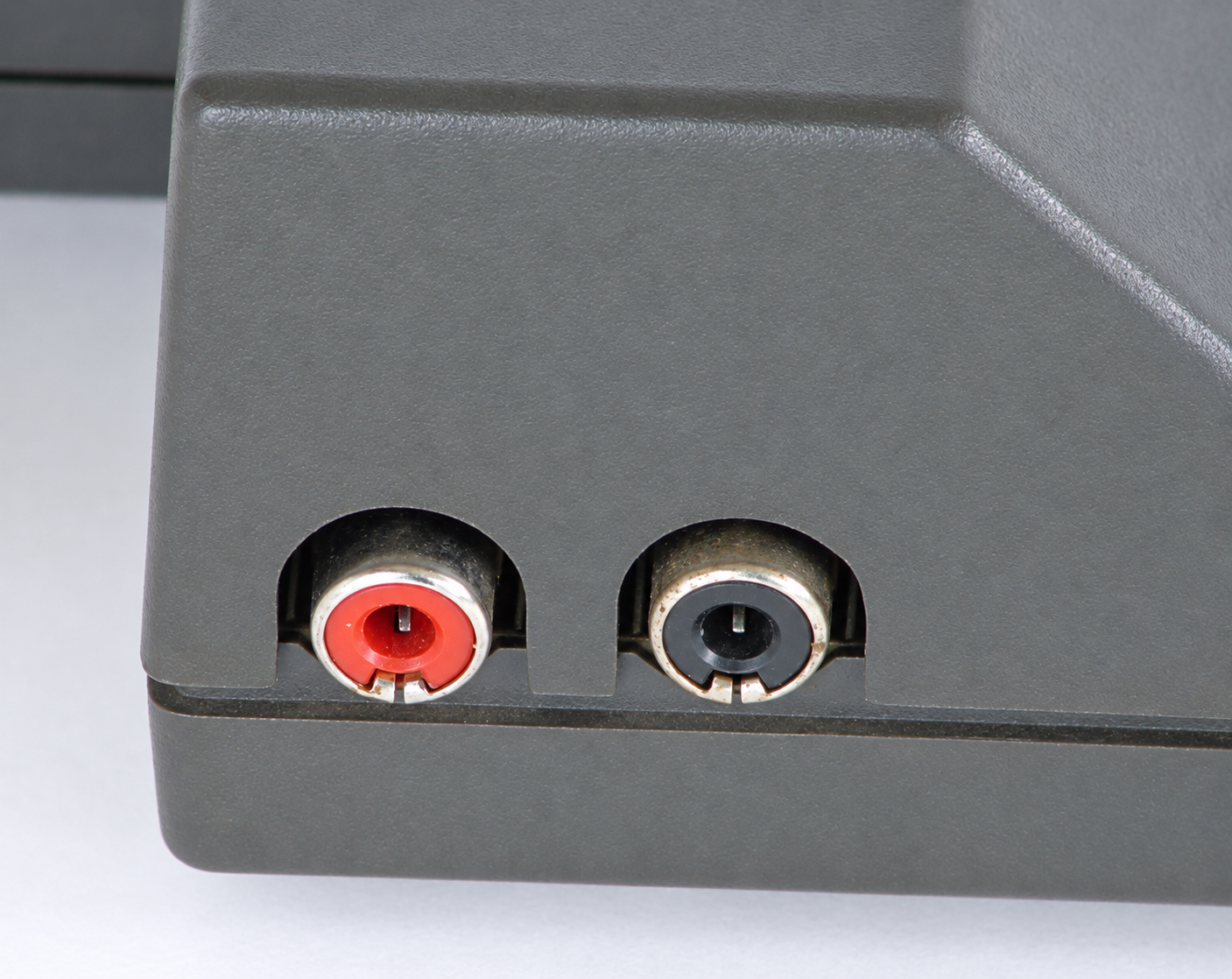
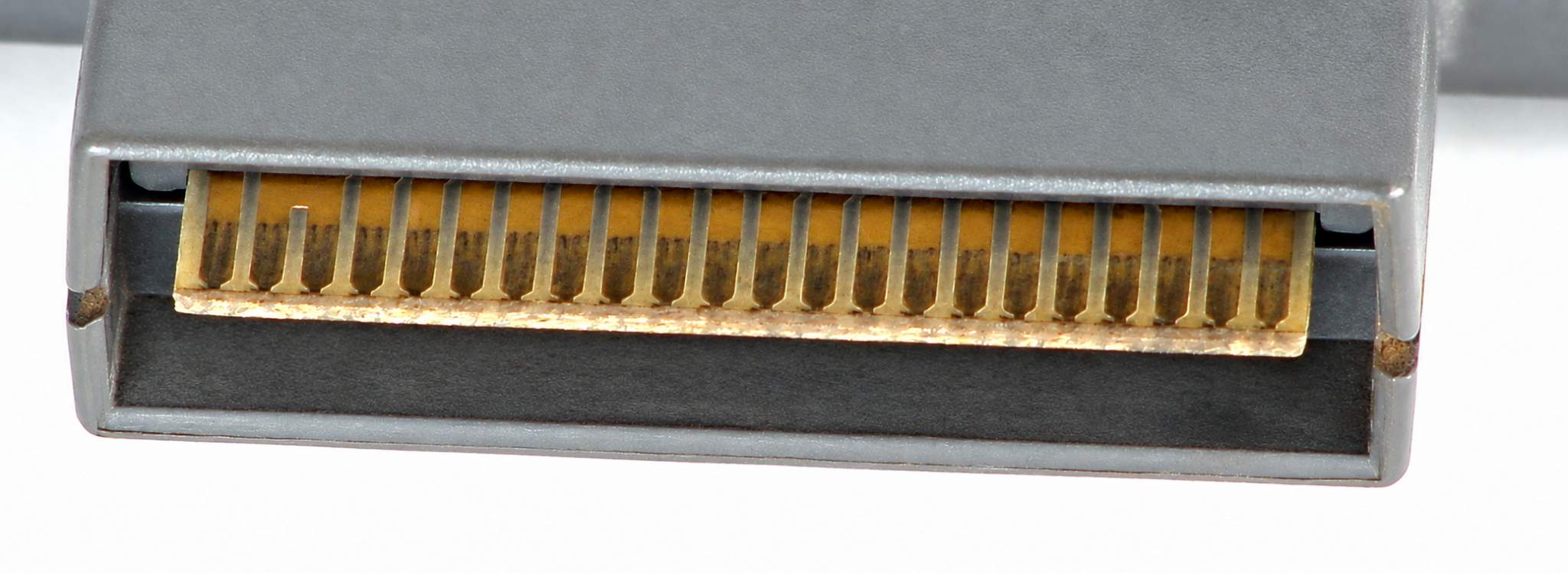
Speech generation was separate from the Commodore’s SID music and sound-effects chip. The audio connections allowed the two outputs to be combined, so a program could speak while music played or graphics moved. The module’s audio input and output sockets are visible in the gallery.
Making BASIC talk
The firmware added SAY, RATE, and VOC, together with the RDY status function. SAY selected an utterance by its spelling or vocabulary number. A sentence required a sequence of SAY statements, one for each word. An unknown word produced an ILLEGAL QUANTITY error: the resident vocabulary was not a general text-to-speech system.
Speech continued while BASIC executed other instructions; another SAY could wait for the previous utterance. RDY helped coordinate speech with other activity. Machine-language programmers also had documented entry points, making the module usable beyond BASIC.
More voices—and the limits of the promise
Commodore advertised male, female, children’s, and character voices, along with thousands of additional words supplied on speech-compatible cartridges, disks, or tapes. These possibilities depended on additional encoded speech data. They were not a collection of selectable voices built into the standard vocabulary.
VOC provided access to an extended vocabulary loaded into computer memory, but producing that data was considerably harder than entering new text. In December 1985, Ahoy! warned that encoding a vocabulary was beyond most users and reported that little of the promised supporting software had appeared beyond several cartridge games. The hardware’s potential was greater than the software library that developed around it.
When the games talked back
The speech-aware Commodore cartridge versions of Gorf and Wizard of Wor used Magic Voice through its pass-through port. Their character speech could sound deliberately robotic, contrasting with the built-in female vocabulary. In its contemporary review, COMPUTE! described Gorf taunting the player after a lost ship—an extra bit of arcade personality brought home.
Commodore also promoted educational titles such as Counting Bee, A Bee C’s, The Spelling Bee, and the Magic Garden Talking Book Series, plus Magic Desk 1+. These names belong to the advertised software plans; they should not be read as confirmation that every promised title reached shops. Inserting an ordinary cartridge did not automatically give its program speech. Most non-speaking software could run with the module installed, although Commodore warned of exceptions.
A small vocabulary used creatively
The vocabulary was designed for useful combinations rather than conversation without limits. It included computer terms, numbers, letters, and word fragments. The five-line demonstration below lets the machine introduce itself, and the downloadable vocabulary list shows exactly which utterances were available.
Magic Voice captures a particular moment in home computing: adding a voice meant adding hardware, choosing words carefully, and writing software around the character of the sound. Its clear speech, convenient BASIC integration, and talking arcade cartridges made it an appealing glimpse of what a more conversational computer might become.
Hear the Magic Voice
Magic Voice vocabulary recording
Listen to the Magic Voice vocabulary.
Specifications
- Manufacturer
- Commodore
- Model
- C64850 Magic Voice Speech Module
- Period
- Documented at Winter CES 1984
- Computers
- Commodore 64 and SX-64
- Interface
- Expansion port; top-loading cartridge pass-through
- Speech hardware
- Toshiba T6721A
- Synthesis method
- PARCOR; 8 kHz output sampling rate (Toshiba technical data)
- Built-in vocabulary
- 235 utterances
- Default voice
- Female
- Speech speed
- Approximately 0.65–1.4 times standard speed
- Programming
- Commodore BASIC and 6502 machine language
- Audio
- External input and output sockets; speech can accompany SID sound
BASIC speech controls
| Control | Purpose |
|---|---|
| SAY | Select an utterance by word or number. |
| RATE | 1 is fastest; 4 is standard; 10 is slowest. |
| VOC | Select extended vocabulary data in memory. |
| RDY | Check whether the module is ready for another utterance. |
Making your Commodore 64 talk
| Enter each line, then press RETURN | Spoken word |
|---|---|
| SAY "THE" | The |
| SAY "COMMODORE" | Commodore |
| SAY "COMPUTER" | Computer |
| SAY "IS" | Is |
| SAY "TERRIFIC" | Terrific |
RATE direction follows Commodore’s manual and Ahoy!’s command table; the October 1984 COMPUTE! review reverses the endpoints. Commodore’s manual errata also withdraws the suggestion that RDY can reliably detect whether the module is installed.
Documentation and downloads
- Vocabulary list
Vocabulary List. Thanks to Darren Spiteri.
- Installing and operating manual
Commodore’s original guide, including BASIC examples and machine-language programming information.
Sources and further reading
- Commodore Magic Voice manual transcription and errata
- COMPUTE!, October 1984: Magic Voice Speech For The 64
- COMPUTE!, April 1984: Winter CES report
- Ahoy!, December 1985: speech hardware coverage
- Toshiba original technical-data archive
- Stefan Uhlmann’s Magic Voice documentation
- Commodore Knowledge Base peripherals